The Fire Tetrahedron Explained
Understanding the fire tetrahedron is crucial for anyone interested in fire safety and prevention. This model illustrates the fundamental elements required for a fire to ignite and sustain itself. While most people are familiar with the traditional fire triangle of heat, fuel, and oxygen, the fire tetrahedron expands on this concept by introducing a fourth component: the chemical chain reaction. Each of these four elements plays a vital role in fire dynamics, making it essential to comprehend how they interact to prevent fire hazards effectively.
What is the Fire Tetrahedron?
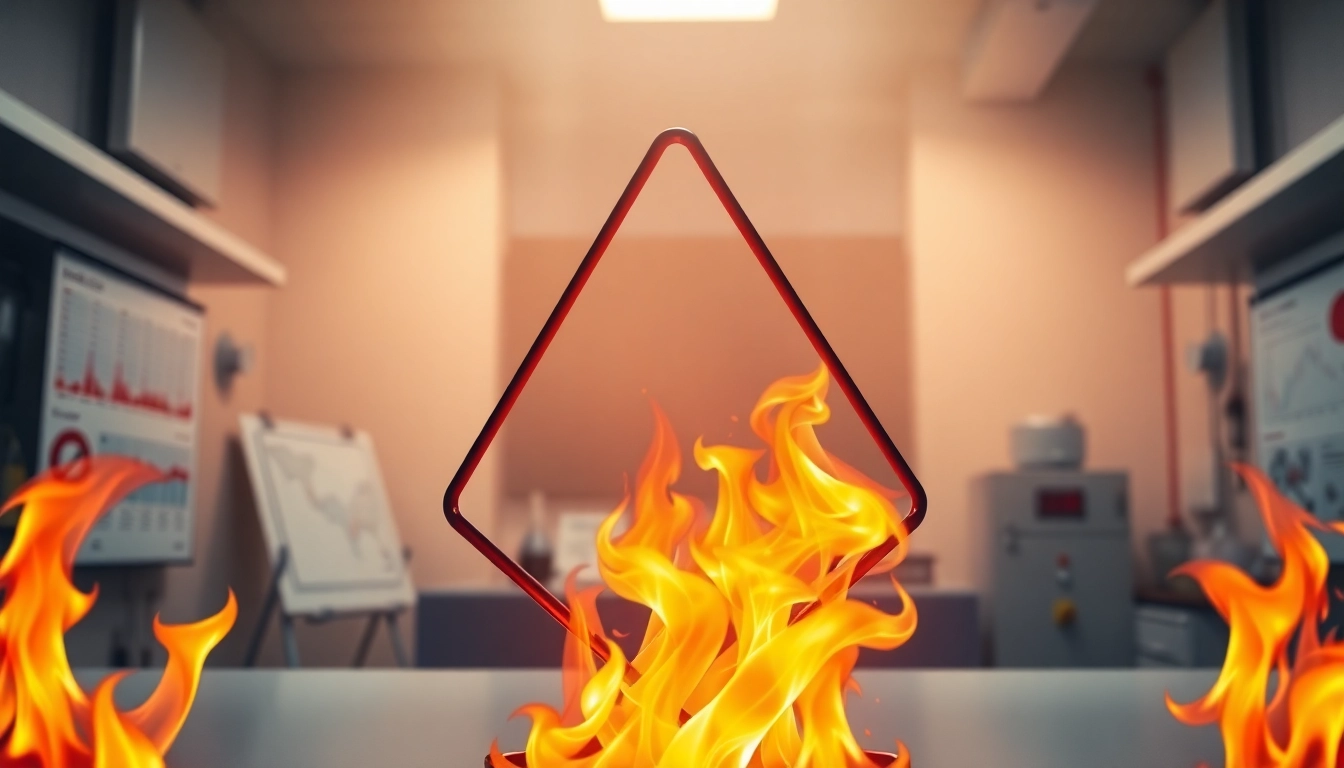
The fire tetrahedron is a four-dimensional model that describes the conditions needed for fire. It encompasses heat, fuel, oxygen, and the chemical chain reaction, illustrating how each component is interconnected. By recognizing this tetrahedron, fire safety professionals can develop strategies to eliminate one or more of these elements, thereby preventing and extinguishing fires. Understanding the mechanics behind each element is crucial for devising effective fire prevention measures and responding to fire emergencies.
Components of the Fire Tetrahedron
The components of the fire tetrahedron interact dynamically:
- Heat: The initial energy source that raises the temperature of fuel to its ignition point.
- Fuel: Any combustible material that can undergo combustion, such as wood, paper, or flammable liquids.
- Oxygen: The oxidizing agent that helps sustain the chemical reactions in combustion.
- Chemical Chain Reaction: The series of reactions that occurs when fuel and oxygen combine, producing heat, light, and more combustion products.
Importance in Fire Safety
Understanding the fire tetrahedron is vital in myriad domains—commercial, residential, and industrial settings. Fire safety strategies often focus on the removal or control of one or more elements of the tetrahedron to ensure safe environments. For instance, smoke detectors and fire suppression systems are effective at detecting heat and interrupting chain reactions, while fire retardants can inhibit the combustion process. By mastering the fire tetrahedron, individuals and organizations can implement rigorous fire prevention protocols and design safer spaces for living and working.
Heat: The First Element
How Heat Fuels Fire
Heat is the energy that initiates combustion when it raises the temperature of a material to its ignition point. Different materials have varying ignition temperatures; for instance, paper ignites at a lower temperature than many metals. To prevent fires, controlling heat sources is critical, especially in environments with flammable materials.
Sources of Heat in Fires
Common sources of heat that can ignite a fire include:
- Open flames from candles, stoves, or fireplaces.
- Electrical equipment, including frayed wires and overloaded circuits.
- Cigarettes or other smoldering materials.
- Hot surfaces, like engines or heating appliances.
Awareness of these sources can help individuals mitigate risks and implement safety measures proactively.
Regulating Heat for Safety
To maintain safety in fire-prone areas, it’s essential to adopt measures such as:
- Conducting regular inspections of electrical wiring to identify hazards.
- Using fire-resistant materials in construction.
- Implementing proper heating practices, like ensuring heaters are turned off when not in use.
- Educating occupants on safe use of flame-based devices.
Fuel: The Second Element
Types of Fuels
Fuel comes in various forms, such as solids, liquids, and gases, each varying in their combustion characteristics:
- Solid Fuels: Wood, paper, textiles, and certain plastics.
- Liquid Fuels: Gasoline, kerosene, oil, and alcohol.
- Gaseous Fuels: Natural gas, propane, and hydrogen.
Identifying Fuels in Environments
Identifying potential fuel sources in any environment is imperative for fire risk assessment. Homeowners should be aware of common household fuels, including:
- Stored wood, such as firewood or wooden furniture.
- Flammable liquids, like cleaning supplies or solvents.
- Textiles, such as curtains, carpets, and upholstery.
A systematic inventory can help ensure that hazardous materials are properly stored and managed.
How to Manage Fuel Sources
To manage fuel sources effectively, consider the following actions:
- Store flammable liquids in approved containers away from heat sources.
- Regularly clean debris and dispose of waste materials responsibly.
- Limit the accumulation of combustible items in areas prone to ignition.
- Educate all members of the household or workplace about fire-safe practices.
Oxygen: The Third Element
Role of Oxygen in Combustion
Oxygen is vital for combustion as it reacts with fuel, supporting the chemical reaction that produces fire. Air contains about 21% oxygen, which is generally sufficient for most fire scenarios. However, increasing or decreasing oxygen levels can influence fire intensity.
Oxygen Levels and Fire Behavior
The presence and concentration of oxygen significantly impact fire behavior. For example:
- High Oxygen: Increased oxygen can lead to more intense and uncontrollable fires.
- Low Oxygen: Insufficient oxygen can smother a fire, slowing down or extinguishing it.
Strategies to Control Oxygen Supply
Control strategies for oxygen levels aim to prevent fire spread and intensity:
- Using fire doors and compartmentalization to restrict airflow.
- Implementing proper ventilation to disperse smoke and prevent oxygen build-up.
- Utilizing fire suppressants like CO2 that displace oxygen, thereby extinguishing flames.
Chemical Chain Reaction: The Fourth Element
Understanding the Reaction Dynamics
The chemical chain reaction refers to the series of reactions that occur when a fire starts and sustains itself. The initial combustion produces heat, which further reacts with surrounding fuel and oxygen to propagate the fire.
Interrupting the Chain Reaction
Interrupting this chain reaction can be achieved through the following methods:
- Applying fire extinguishers designed to interrupt chemical reactions.
- Using water or foam to cool burning materials, reducing heat.
- Removing the fuel source or isolating flames from combustibles.
Applying Knowledge to Fire Prevention
A thorough understanding of the chemical chain reaction equips individuals with strategies for effective fire prevention, such as:
- Conducting fire drills to prepare occupants for emergencies.
- Installing smoke detectors and alarms to notify of heat and smoke.
- Training staff on how to properly use fire extinguishers.
FAQs
What exactly is the fire tetrahedron?
The fire tetrahedron represents the four elements required to ignite and sustain a fire: heat, fuel, oxygen, and a chemical chain reaction.
Why is the fire tetrahedron important?
The fire tetrahedron is crucial for understanding fire dynamics and implementing effective fire safety measures to prevent and control fires.
How can we interrupt the chemical chain reaction?
Interrupting the chemical chain can be achieved by removing any one of the fire tetrahedron elements, such as smothering flames to eliminate oxygen.
What fuels are commonly found in households?
Common household fuels include wood, paper, fabrics, and fuels such as gasoline or propane, all of which can ignite under certain conditions.
How can we reduce heat in fire-prone areas?
Reducing heat involves removing sources like open flames, maintaining safe temperatures, and implementing cooling strategies in fire-prone environments.