
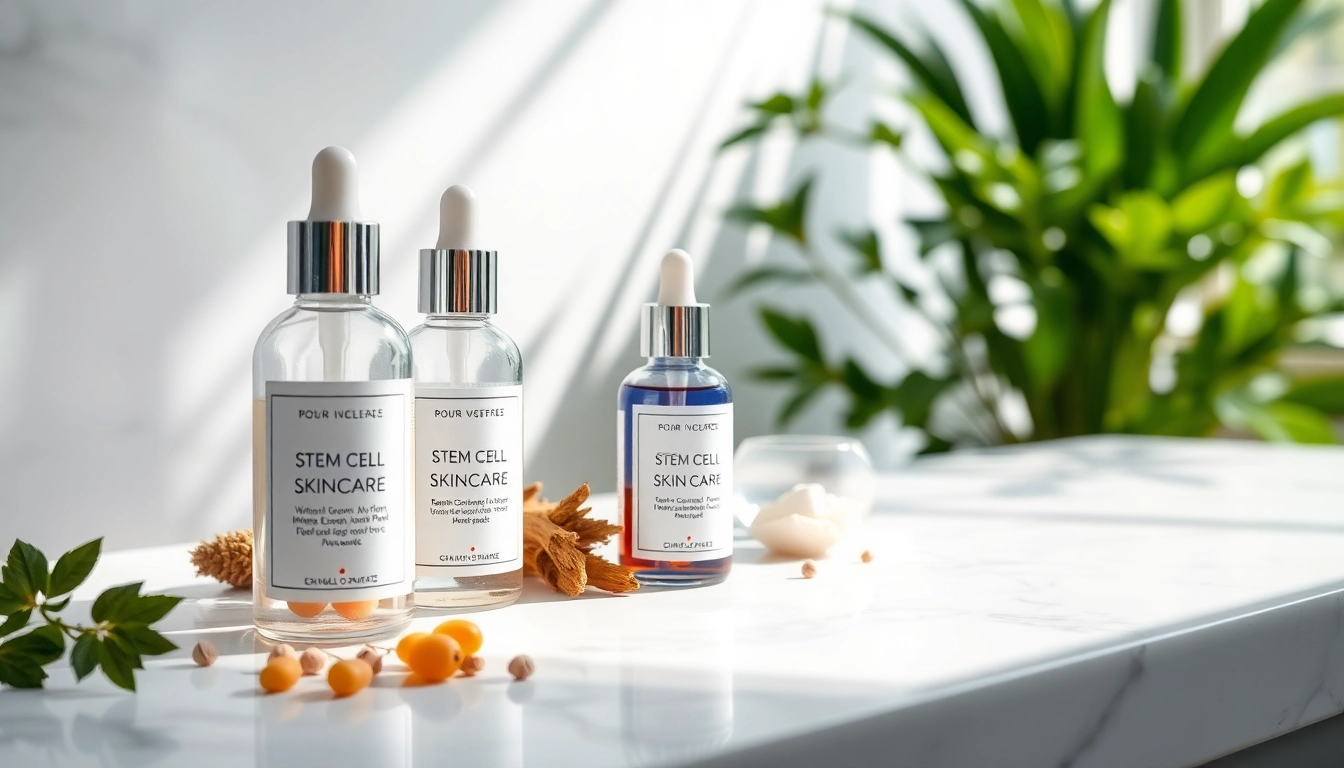
The Science Behind Stem Cell Skincare
Understanding Stem Cells and Skin Regeneration
Stem cells are unique, versatile cells capable of developing into various cell types. In the context of skincare, they play a pivotal role in skin regeneration and healing. Skincare solutions harnessing these properties aim to promote healthier skin by encouraging cellular rejuvenation. Dermatologists and researchers note that the skin contains stem cells primarily located in the epidermis and hair follicles. These stem cells renew skin cells continuously, maintain skin elasticity, and contribute to the skin’s overall health. Understanding their role is crucial for anyone interested in reforming their skincare routine, especially those exploring stem cell skincare.
Types of Stem Cells Used in Skincare
Stem cells in skincare primarily originate from two sources: plant and human. Plant stem cells obtained from species such as apple, grape, and argan are known for their antioxidant properties and ability to protect and rejuvenate human cells. In contrast, human stem cells, often derived from umbilical cord tissue or adipose (fat) tissue, are believed to support skin repair and regeneration. The choice between plant and human stem cells often hinges on personal ethics, efficacy, or desired outcomes in skincare. Understanding these options helps consumers make informed choices about their skincare products.
How Stem Cells Benefit Skin Health
The benefits of stem cell skincare are multifaceted. These treatments can enhance skin texture, tone, and moisture retention while offering anti-aging benefits. Stem cells can stimulate the production of collagen and elastin, vital proteins for skin firmness and elasticity. They also promote the repair of damaged skin, aiding in recovery from scars and blemishes. Additionally, the anti-inflammatory properties of stem cells can help soothe conditions like acne and rosacea. Consumers are increasingly turning to these innovative products to meet their skincare needs, as they offer deep nourishment and enhanced skin health.
Key Ingredients in Stem Cell Skincare Products
Growth Factors and Their Role
Growth factors are pivotal components in stem cell skincare products, working synergistically with stem cells to promote healing and regeneration. These proteins facilitate communication between cells, encouraging them to proliferate and differentiate into various cell types. Additionally, growth factors can boost collagen production and enhance the skin’s overall resilience. Including these elements in formulations can amplify the restorative qualities of stem cell skincare, delivering a potent combination for anti-aging and reparative benefits.
Natural Extracts That Enhance Performance
To enhance the efficacy of stem cells and growth factors, many formulations incorporate natural extracts known for their skincare benefits. Ingredients like hyaluronic acid, aloe vera, and various botanical oils feature prominently in these products. Hyaluronic acid, in particular, is valued for its ability to retain moisture, plumping the skin for a youthful appearance. Aloe vera is famed for its soothing properties and supports skin healing, while botanical oils provide essential fatty acids that help strengthen the skin barrier, protecting it from environmental stressors. These natural extracts bolster the benefits of stem cell skincare, creating a comprehensive skincare approach.
Common Additives: What to Look For
When choosing stem cell skincare products, it’s imperative to be aware of common additives that can amplify your results. Look for antioxidants like vitamin C and E, known for their protective qualities against free radicals. Additionally, peptides can dramatically improve skin elasticity and firmness. Other beneficial ingredients include retinoids, which promote cell turnover and enhance collagen production. Evaluating product labels for these additives can help you choose formulations that provide added value alongside the foundational stem cell components.
Choosing the Right Stem Cell Skincare Product
Skin Types and Specific Needs
Selecting the right stem cell skincare product necessitates a consideration of your skin type and specific concerns. Oily skin may benefit from lightweight gel formulations that offer hydration without clogging pores. On the other hand, dry skin may require creamier products enhanced with nourishing ingredients like shea butter or oils. Additionally, those with sensitive skin should look for formulations that are free of irritants like fragrances and alcohol to prevent adverse reactions. Consulting a dermatologist can help pin down the best options tailored to your unique skin characteristics.
Decoding Labels: What to Know
Understanding product labels is crucial in navigating the myriad of options available. Look for transparent information regarding the concentration of stem cells and their proven efficacy. Additionally, scrutinize the ingredient list for accompanying components like preservatives and thickening agents. Awareness of the order of ingredients can also hint at their prevalence in the formula; those listed first are present in larger amounts. Consumer awareness can significantly boost the chances of selecting an effective stem cell skincare product.
Top Tips for Product Selection
To maximize the benefits of stem cell skincare, consider testing products through samples when available to determine compatibility with your skin. Read reviews and seek products with clinical backing to validate efficacy claims. Online research can uncover peer-reviewed publications highlighting ingredient benefits and consumer testimonials. Ultimately, think long-term when experimenting with new products, as establishing a consistent routine yields the best results in skincare.
Application Techniques for Optimal Results
Best Practices for Applying Skincare
Correct application of stem cell skincare products can significantly influence their efficacy. Begin by cleansing the skin to remove dirt and prepare the surface. Following cleansing, apply toners or serums that aid in absorption before layering on creams or oils. Use gentle tapping motions to apply these products, which can stimulate circulation and encourage absorption. Ensuring your hands are clean can also prevent introducing impurities that may compromise skin health.
Layering Products: What Works
Understanding the layering order of skincare products is key to optimizing their effects. Typically, after cleansing and toning, start with the most lightweight formulations, such as serums, before moving to heavier creams. This method ensures that lighter products absorb efficiently without being blocked by thicker layers. For maximum benefits from stem cell skincare, consider layering a serum containing stem cells underneath a nourishing moisturizer containing assistive ingredients like hyaluronic acid.
When to Expect Results
Patience is essential when using stem cell skincare products, as improvements may take time. While many users report visible changes within four to six weeks, results vary based on individual skin types and specific products used. Consistency in application, combined with a healthy lifestyle and diet, can enhance outcomes and expedite results. Regular evaluations of skin condition can also guide adjustments in product use for optimal performance.
Understanding the Cost of Stem Cell Skincare
Value vs. Price: Making an Informed Choice
When considering stem cell skincare, the price can vary widely based on ingredients, brand reputation, and packaging. It’s crucial to differentiate between value and cost. A higher price does not guarantee superior effectiveness. Assessing the quality of ingredients and proven results can ensure you make a smart investment rather than overpay for hype. Seeking users’ experiences and expert recommendations can help in this evaluation process.
Long-Term Benefits vs. Short-Term Gain
Investing in stem cell skincare should be viewed through a long-term lens rather than seeking immediate results. While cheaper products may provide a quick fix, they may lack the potency necessary for sustained skin health. In contrast, well-formulated stem cell products can offer cumulative benefits, improving skin texture and appearance over time. The commitment to a quality regimen supports not just immediate concerns but an investment in future skin health.
Investing in Your Skin’s Future
Choosing to invest in stem cell skincare products is not just about addressing current issues; it’s also about preemptively combating signs of aging and environmental damage. As skin ages, its regenerative capabilities wane, making early intervention paramount for maintaining a youthful appearance. By incorporating stem cell skincare into your routine, you prioritize skin health, leading to lasting beauty benefits well into the future.
Frequently Asked Questions
What are stem cell skincare products?
Stem cell skincare products use stem cells to promote skin rejuvenation, aiding in regeneration, repair, and anti-aging properties.
Are stem cell skincare products safe to use?
Yes, when used as directed, stem cell skincare products are generally safe. It’s recommended to perform a patch test to ensure no adverse reactions.
How often should I use stem cell skincare products?
For best results, apply stem cell skincare products consistently, typically once or twice daily, depending on the formulation and skin needs.
Can stem cell skincare products help with acne scars?
Yes, these products can promote healing and skin regeneration, potentially reducing the appearance of acne scars over time.
How long does it take to see results from stem cell skincare?
Results vary, but many users see visible changes within four to six weeks of consistent use, depending on individual skin conditions.