Introduction to Sandakphu Trek
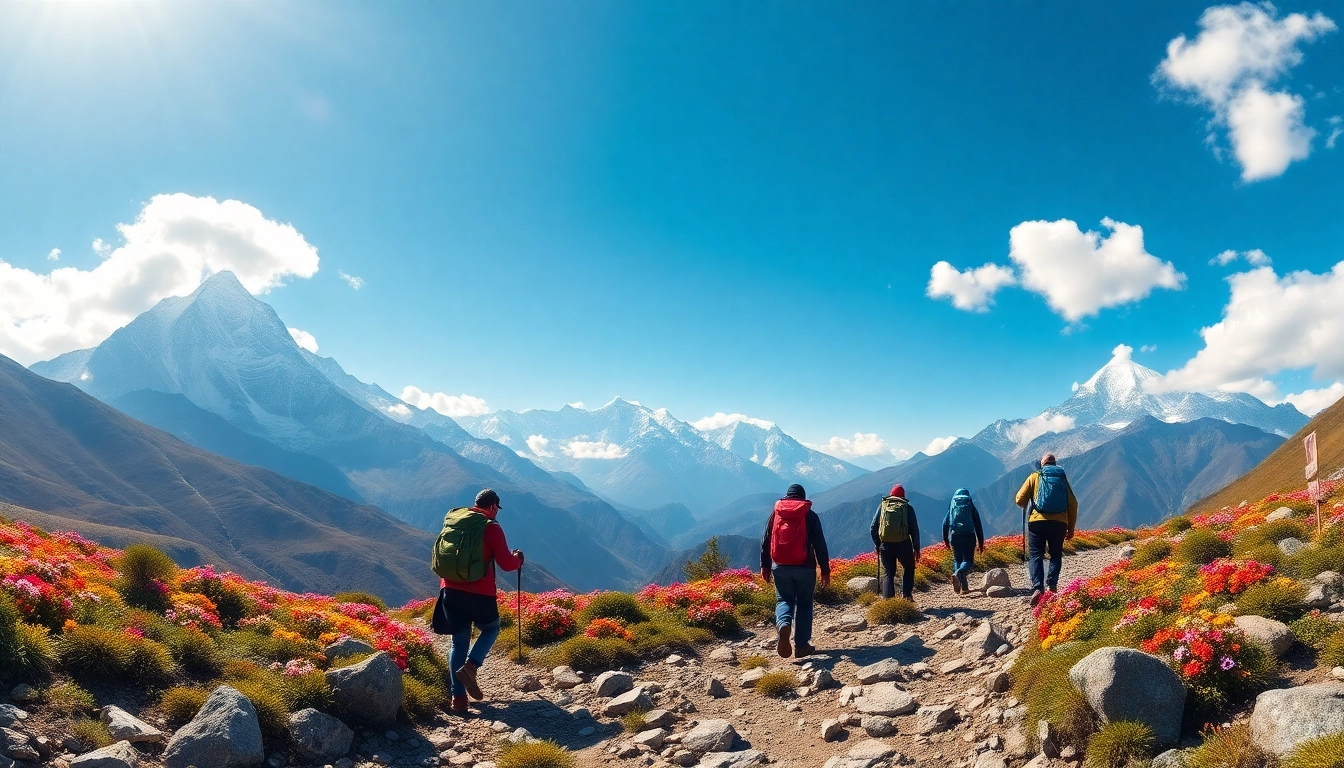
The sandakphu trek is one of the most awe-inspiring trekking experiences in India, captivating adventurers with its breathtaking views and challenging yet rewarding trails. Nestled in the eastern Himalayas, the trek leads you through dense forests, charming villages, and alpine meadows, all while revealing some of the highest peaks in the world, including Mount Everest and Kangchenjunga. This article delves into the essence of the Sandakphu trek, providing you with essential information to prepare for this journey of a lifetime.
Overview of Sandakphu Trek
The Sandakphu trek, which stands at approximately 3,636 meters (11,929 feet), is renowned not only for its height but also for its striking panoramic views. As trekkers ascend, they are met with stunning vistas that showcase four of the world’s tallest mountains—Mount Everest, Kangchenjunga, Lhotse, and Makalu. The trek is often described as the ‘Sleeping Buddha’ trek due to the silhouette created by these mighty mountains against the horizon.
Why Choose Sandakphu Trek
There are several reasons to choose the Sandakphu trek for your next adventure:
- Stunning Views: The trek offers an unparalleled opportunity to witness some of the highest peaks in the world.
- Diverse Landscapes: From lush forests to barren ridges, the changing terrain keeps the trek exciting.
- Cultural Exchange: Interact with local communities, experiencing their rich traditions and warm hospitality.
- Moderate Difficulty: Suitable for both seasoned trekkers and beginners looking for a challenge.
Best Time to Visit Sandakphu Trek
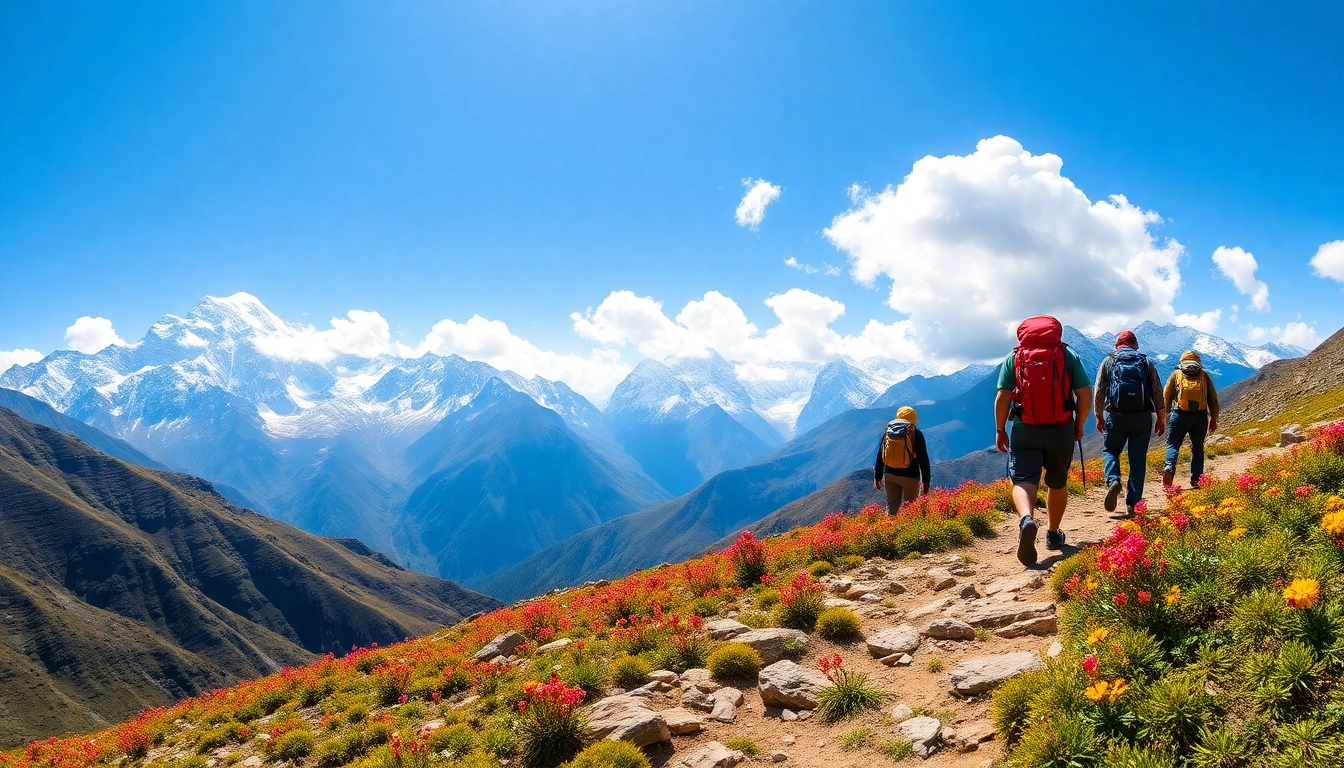
The ideal time for the Sandakphu trek is during the spring (March to April) and autumn (October to November) seasons. During these months, the weather is generally stable, and trekkers can enjoy clear skies, allowing for the best views of the surrounding peaks. The spring season showcases blooming rhododendrons, while the autumn provides crisp air and vibrant mountain colors.
Preparing for the Sandakphu Trek
What to Pack for Sandakphu Trek
Packing wisely is crucial for a successful trek. Essential items to bring include:
- Clothing: Layered clothing is essential. Include thermal wear, a waterproof jacket, trekking pants, and warm accessories such as gloves and a hat.
- Shoes: Invest in good trekking shoes with ankle support that are already broken-in.
- Camping Gear: A lightweight sleeping bag, camping mat, and tent if not using local accommodation.
- First-Aid Kit: Carry basic medical supplies including band-aids, antiseptics, and any personal medication.
- Food and Water: High-energy snacks and a reliable water bottle with a purification system are recommended.
Physical Fitness for Sandakphu Trek
A moderate level of physical fitness is necessary for successfully completing the Sandakphu trek. Training should ideally begin several weeks in advance. Key activities to include are:
- Cardiovascular Activities: Engage in activities such as jogging, cycling, or hiking that elevate your heart rate.
- Strength Training: Focus on leg and core strength, as these areas will be heavily utilized during steep ascents and descents.
- Practice Hikes: Undertake hikes on varied terrains to acclimatize your body to the demands of trekking.
Essential Gear for Sandakphu Trek
In addition to clothing and camping gear, consider the following essential items:
- Trekking Pole: A good trekking pole helps maintain balance and reduces strain on knees during descents.
- Headlamp or Lantern: Essential for navigating around campsites in the dark.
- Portable Charger: To keep your electronic devices charged, especially if you want to document your journey.
- Insect Repellent: Useful for keeping bugs at bay during warmer months.
Sandakphu Trek Itinerary
Day-by-Day Breakdown of Sandakphu Trek
The typical Sandakphu trek spans over 6 days, covering approximately 50 kilometers. Below is a suggested itinerary:
- Day 1: Maneybhanjang to Chitrey – Begin your journey with a moderate hike from Maneybhanjang to Chitrey (approx. 7 km).
- Day 2: Chitrey to Meghma via Tumling – Trek through lush forests to reach Meghma; enjoy views of Kanchenjunga (12 km).
- Day 3: Meghma to Sandakphu – Ascend to Sandakphu (11 km) with striking mountain vistas along the way.
- Day 4: Sandakphu to Phalut – Continue your trek to Phalut (21 km), taking in breathtaking views of the sleeping Buddha.
- Day 5: Phalut to Rimbik – Descend to Rimbik through beautiful landscapes (23 km).
- Day 6: Rimbik to Maneybhanjang – Conclude the trek with a return to Maneybhanjang (approx. 10 km).
Highlights to Expect During Sandakphu Trek
The Sandakphu trek is rich with highlights that make the journey worthwhile:
- Viewpoints: Various viewpoints throughout the trek provide stunning photo opportunities of the majestic peaks.
- Local Flora and Fauna: The trek passes through diverse ecosystems where unique wildlife can be spotted.
- Neighborhood Interaction: Experience local culture, taste authentic food, and engage with the friendly communities along the trail.
Alternative Routes in Sandakphu Trek
For those seeking varied trekking experiences, alternative routes in the Sandakphu region include:
- Sandakphu-Phalut-Sandakphu: A circular route that allows trekkers to relish the same scenic beauty from another perspective.
- Gorkhey to Samanden: A lesser-known but stunning route ideal for those wanting a quieter experience away from popular trails.
Safety Considerations for Sandakphu Trek
Understanding Altitude Sickness in Sandakphu Trek
Altitude sickness is a concern when trekking at high elevations. Awareness is key, and trekkers should look for symptoms such as headaches, nausea, or dizziness. It’s critical to:
- Acclimatize gradually.
- Stay hydrated and nourished.
- Monitor symptoms closely and descend if necessary.
Staying Safe on Sandakphu Trek
Adhering to basic safety protocols is paramount on the Sandakphu trek. Consider these safety tips:
- Travel in groups where possible for better safety and support.
- Inform someone about your expedition itinerary.
- Carry a reliable communication device like a satellite phone.
Emergency Planning for Sandakphu Trek
Being prepared for emergencies is crucial. Carry a first-aid kit, and know the nearest medical facilities along the route. Be familiar with evacuation routes and protocols in unfavorable weather conditions.
Frequently Asked Questions about Sandakphu Trek
How difficult is the Sandakphu trek?
The Sandakphu trek is generally rated as moderate, but it can be challenging for those not accustomed to long walking distances and variable weather conditions.
Can beginners do the Sandakphu trek?
Yes, the Sandakphu trek is suitable for beginners in good physical shape, offering manageable trails with spectacular views and a rewarding experience.
What is the best season for Sandakphu trek?
The best months for the Sandakphu trek are March, April, October, and November, as these periods present pleasant weather and ideal viewing conditions.
What sights can be seen from Sandakphu?
From Sandakphu, trekkers can see breathtaking views of four of the world’s highest peaks: Mount Everest, Kangchenjunga, Lhotse, and Makalu, creating spectacular panoramic vistas.
How long is the Sandakphu trek?
The Sandakphu trek typically spans around 50 kilometers (31 miles) over 6 days, with varying daily distances and altitudes adding to the overall challenge.