
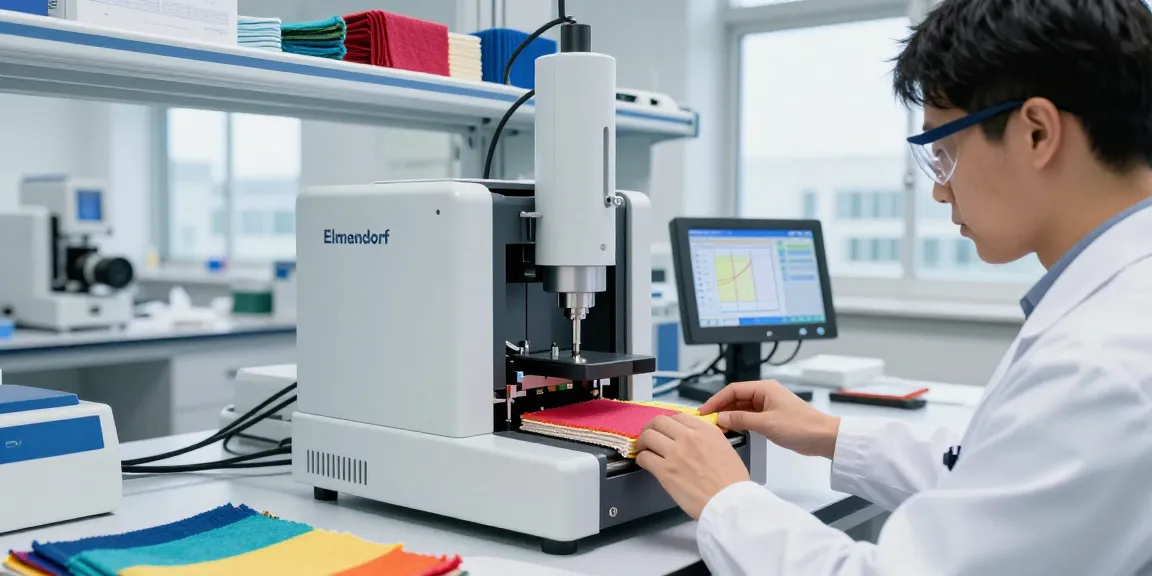
Understanding the Elmendorf Tear Tester
The Elmendorf Tear Tester is a vital instrument in the textile and materials testing industry, designed to measure the tearing strength of various materials. This device works on the principle of determining the force required to propagate a tear in a sample, be it fabric, plastic film, or thick paper. As industries continue to prioritize quality control and material integrity, having a reliable and accurate testing method is crucial. When exploring options, elmendorf tear tester offers comprehensive insights into material durability and performance.
What is the Elmendorf Tear Tester?
The Elmendorf Tear Tester, also known as the Tearing Strength Tester, is an indispensable tool used to evaluate the tear resistance of materials. It operates using a pendulum mechanism, where a pendulum released from a predetermined height strikes a notched specimen, effectively creating a tear. The instrument then gauges the force exerted to propagate this tear, providing an accurate measurement of the material’s tear strength. This testing method complies with recognized international standards, making it essential for laboratories, manufacturing, and research facilities.
How Does the Elmendorf Tear Test Work?
The testing process begins with the preparation of the specimen, which is clamped securely in the tester. A cutter embedded in the device is used to create a notch, defining the point at which the tear will commence. Upon releasing the pendulum, it swings downwards, converting its potential energy into kinetic energy. As the pendulum tears through the specimen along the notch, the energy lost during the swing is calculated. This energy loss is directly proportional to the force needed to continue the tear, yielding the tear strength of the material.
Application Areas of the Elmendorf Tear Tester
With its high precision and reliability, the Elmendorf Tear Tester finds applications across various industries, including:
- Textiles: Evaluating the durability of fabrics used in clothing, upholstery, and technical textiles.
- Papers: Testing the tear resistance in packaging, cardboard, and printed materials.
- Plastics: Assessing the tear strength of plastic films and sheets used in packaging and industrial applications.
- Quality Control: Employed in laboratories for quality assurance processes in manufacturing environments.
Key Features of the ElmenGuide Elmendorf Tear Tester
Automation and Accuracy: A Game Changer
The ElmenGuide Elmendorf Tear Tester stands out among its competitors due to its fully automated system, which enhances testing efficiency and accuracy. This intelligent design not only recognizes the hanging weight of the sample but also automatically adjusts the measurement range according to the material being tested. This level of automation reduces human error significantly and allows for consistent testing results within a remarkable accuracy of ±0.2%, ensuring that users get reliable data every time.
User-Friendly Design for Operators
The ElmenGuide is designed with the operator in mind. Its user-friendly interface simplifies the testing process, making it accessible even for technicians with minimal training. The dual-button activation feature ensures safety, positioning the operator away from the pendulum during testing. Additionally, the ergonomic fixture is designed to hold the specimen firmly without slippage, which is crucial for obtaining accurate tear strength measurements.
Compliance with Global Standards
Compliance with international standards such as ASTM D 1424, BS ISO 13937-1, and GB/T 3917-1 is an essential aspect of the ElmenGuide Elmendorf Tear Tester. This compliance guarantees that the test results can be trusted across different markets and regulatory bodies. Maintaining such standards is vital for quality assurance in industries where material properties can significantly affect safety and performance.
Comparing ElmenGuide Elmendorf Tester with Traditional Models
Performance Metrics: ElmenGuide vs. Traditional
When evaluating performance metrics, the ElmenGuide clearly outshines traditional models. While conventional testers often require manual configuration and do not adapt automatically to different sample types, the ElmenGuide offers a streamlined, automated experience that fosters more consistent and quicker results. This enhanced performance translates to a more efficient testing environment, enabling labs to process larger volumes of tests without compromising on quality.
Cost Effectiveness: The Price of Modern Testing
Though the initial investment in an automated tear tester like the ElmenGuide might be higher than that of traditional models, the long-term savings in labor, time, and error reduction are substantial. Companies that switch to automated solutions typically find that they can conduct more tests in less time, ultimately leading to improved product quality and reduced costs associated with reworks or failures.
Maintenance and Reliability Considerations
Another advantage of the ElmenGuide is its reliability and low maintenance requirements. Traditional tear testers may require frequent recalibrations and repairs, adding to operating costs. In contrast, the automated design of the ElmenGuide ensures that it retains its calibration over time with minimal intervention, allowing users to conduct tests confidently without the fear of losing accuracy.
Best Practices in Using an Elmendorf Tear Tester
Preparing Samples for Accurate Testing
To achieve reliable and reproducible results, proper sample preparation is crucial. Ensure that the specimen is cut according to standard dimensions and that the notching is performed precisely. Following standard procedures in sample preparation not only improves accuracy but also enhances the reproducibility of results, which is vital for comparisons over time or across different labs.
Calibrating Your Elmendorf Tear Tester
Regular calibration is key to maintaining the performance of your Elmendorf Tear Tester. Calibration should be performed according to the frequency set by your quality assurance protocols. Users should follow manufacturer guidelines, which may include using standardized weights and test samples to verify the accuracy of measurements.
Interpreting Test Results Effectively
Understanding and correctly interpreting the results generated by the Elmendorf Tear Tester is integral to any quality control process. Results should be analyzed in the context of compliance with industry standards and operational requirements. By maintaining detailed records of test results, operators can identify trends or deviations, enabling proactive adjustments to manufacturing processes.
Future Trends in Textile Testing Technology for 2026
IoT Integration and Smart Testing Solutions
As technology continues to evolve, the integration of the Internet of Things (IoT) into textile testing devices like the Elmendorf Tear Tester is becoming more prevalent. This advancement allows for real-time data monitoring, automated reporting, and better data management through connected systems. IoT capabilities facilitate smart testing solutions that can significantly improve laboratory workflows and enhance data accuracy.
Emerging Materials and Their Testing Needs
With the introduction of new materials in textiles and packaging, there will be an increased need for testing methods that can accommodate varied properties. As industry demand shifts towards sustainable and innovative materials, testers must evolve to ensure they can accurately measure the unique characteristics and performance of these new fabrics and composites.
Innovations in Testing Equipment Design
Future developments in testing equipment design will likely focus on enhancing user experience while maintaining precision. We can anticipate more intuitive interfaces, improved automation features, and even greater integration with digital platforms, allowing laboratories to operate more efficiently and provide higher-quality testing services.
What is the Importance of Tear Strength Testing?
Tear strength testing is critical in determining the durability and performance of materials used in various applications. Understanding a material’s tear resistance helps manufacturers ensure that products can withstand real-world stresses and strains, thereby safeguarding both consumer safety and product integrity.
How to Choose the Right Elmendorf Tear Tester for Your Lab?
When selecting an Elmendorf Tear Tester for your laboratory, consider factors such as automation features, compliance with international standards, ease of use, and maintenance requirements. Evaluating your specific application needs and operational goals will help you choose the model that best fits your requirements.
What are the Differences Between Automated and Manual Tear Testers?
Automated tear testers typically offer greater accuracy, reduced human error, and quicker testing processes compared to manual testers. While manual models may be more cost-effective upfront, they often require more time and effort to operate and may lead to inconsistencies in results.
How Often Should You Calibrate Your Elmendorf Tear Tester?
Calibration frequency for an Elmendorf Tear Tester depends on usage intensity and the specific guidelines set forth by the manufacturer. Regular calibration is encouraged, especially in high-volume testing environments, to ensure long-term accuracy and reliability.
What Standards do Elmendorf Tear Testers Comply With?
Elmendorf Tear Testers are designed to comply with a range of international standards, including ASTM D 1424, ISO 13937-1, and GB/T 3917-1. Adhering to these standards not only assures product quality but also enhances the credibility of test results across global markets.