
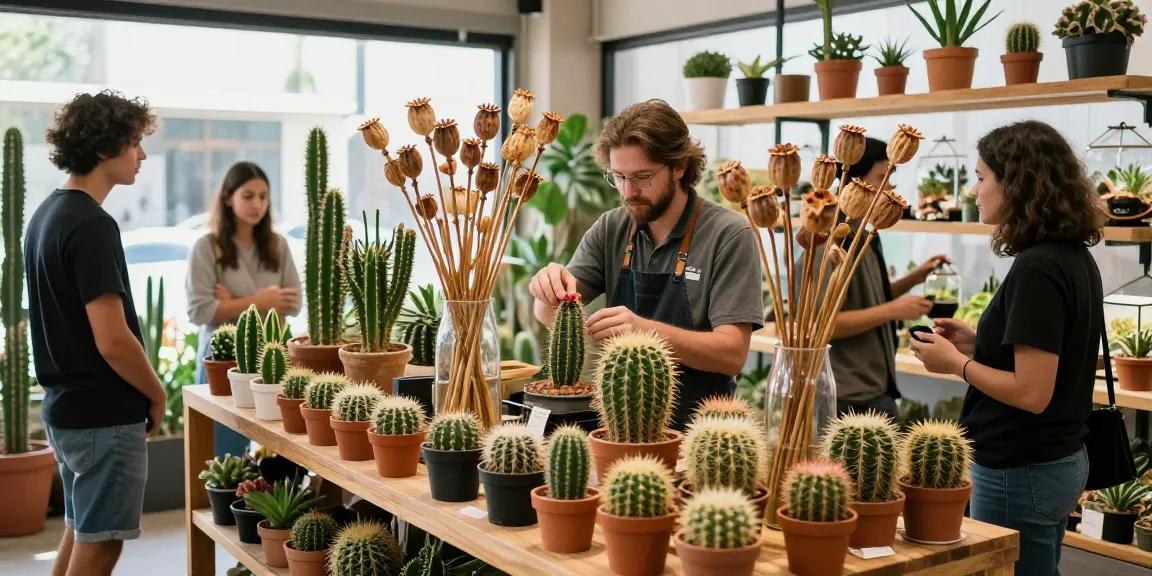
Understanding Cactus Plants: Types and Characteristics
Cactus plants are more than just unique, spiky additions to gardens and homes; they are fascinating organisms that have adapted to thrive in some of the harshest environments on the planet. Their ability to store water, coupled with a variety of forms and sizes, makes them appealing both as decorative plants and subjects of study for botanists. When exploring options, cactus plants offer a range of choices to meet the preferences of any plant enthusiast.
What Are Cactus Plants?
Cacti belong to the family Cactaceae, with over 1,750 species identified across 127 genera. They typically originate from arid regions in the Americas, showcasing extraordinary adaptations such as thick, fleshy stems that store water, spines instead of leaves to reduce water loss, and a unique photosynthetic process known as CAM (Crassulacean Acid Metabolism). This allows them to photosynthesize at night, significantly conserving water.
Common Types of Cactus Plants for Indoor Use
Indoor gardening enthusiasts often choose specific cactus varieties due to their low maintenance requirements and aesthetic appeal. Common types suitable for indoor environments include:
- Echinopsis: Known for their stunning blooms, these cacti are perfect for bright indoor spaces.
- Ferocactus: With their iconic barrel shape and robust spines, they add a striking visual element.
- Gymnocalycium: This small cactus is ideal for beginners, featuring vibrant flowers.
- Opuntia (Prickly Pear): These cacti often have edible pads and fruit, making them both decorative and functional.
- Astrophytum: Recognized for their unique star-shaped outlines and fascinating textures.
Identifying Key Features of Popular Cacti
When selecting cactus plants, it’s essential to recognize distinguishing features. For instance, the shape of the cactus (columnar, spherical, or flattened), color (green, blue, or variegated), and surface texture (spines, fuzz, or smooth) play crucial roles in their identification and care. Additionally, many species produce distinctive flowers during their blooming season, which can also serve as an identification marker.
Essential Care Tips for Cactus Plants
Successfully caring for cactus plants involves understanding their specific needs, which differ from traditional houseplants. It’s vital to pay attention to watering schedules, soil types, and light exposure to ensure they thrive.
Watering Guidelines for Optimal Growth
Overwatering is one of the most common issues faced by cactus owners. Most cacti thrive on a bi-weekly watering schedule during the growing season (spring and summer) and require less frequent watering in the dormant months (fall and winter). A good rule of thumb is to allow the soil to dry completely between waterings. It is also advisable to water in the morning to prevent fungal growth and root rot.
Best Soil and Potting Techniques for Cacti
Choosing the right soil mix is crucial for cactus health. Cacti need well-draining soil to prevent water accumulation around their roots. A commercial cactus mix often suffices, but you can also make your own by combining potting soil with sand and perlite in a 1:1:1 ratio. When potting, choose pots with drainage holes, as this facilitates excess water removal and minimizes root rot.
Light Requirements: Finding the Perfect Spot
Light is another critical factor influencing the growth of cactus plants. Most cacti require full sunlight, ideally between 6 to 8 hours daily. Placing them near south- or west-facing windows often provides the best exposure. For indoor gardens with less natural light, consider supplementing with grow lights to mimic their natural environment.
Common Mistakes in Cactus Plants Care
Even experienced gardeners can make mistakes with cactus care. Understanding these common pitfalls can help ensure the longevity and thriving health of your plants.
Overwatering: Symptoms and Prevention
Overwatering can lead to mushy stems, yellowing, and even death of the plant. Symptoms often show first on the lower parts of the cactus. To avoid this, always check the soil moisture before watering and consider using a moisture meter for accuracy.
Choosing the Wrong Pot Size for Cacti
A pot that is too large can retain excessive soil moisture, leading to root rot. It’s best to choose a pot that allows for gradual growth. When repotting, consider moving up one size to provide enough space for the roots.
Neglecting Environmental Conditions
Cacti are sensitive to their surroundings. Ensure they are not exposed to drafts or extreme temperature changes. If they are outdoors during the warm season, bring them inside during cold snaps to protect them from frost.
Advanced Techniques for Cactus Enthusiasts
For those passionate about cacti, employing advanced care techniques can enhance growth and propagation, leading to a more diverse and thriving indoor garden.
Propagation Methods for Rare Cactus Plants
Propagation can be achieved through seeds or cuttings, depending on the species. For instance, many cacti can be propagated from offsets or pups, which are small offshoots that form around the base of the parent plant. By carefully removing an offset and allowing it to callous over for a few days before replanting, you can promote root growth and establish a new plant.
Using Fertilizers Effectively for Cacti
Fertilizing cacti can encourage growth, especially during the growing season. A diluted cactus-specific fertilizer can be applied every month in spring and summer. However, refrain from fertilizing during dormancy to avoid potential damage.
Creating a Desert-Themed Indoor Garden
A desert-themed indoor garden can be a visually stunning addition to your home. Utilize various cactus species with differing heights and colors, and incorporate complementary décor items like sand, stones, and driftwood to enhance the aesthetic appeal. Arranging plants in layers can create depth and interest.
Trends and Innovations in Cactus Plants for 2026
As gardening evolves, so too do the trends surrounding cactus care and selection. Staying informed about these trends can enhance your collection and sustain interest in your plants.
Emerging Cactus Varieties to Look For
New cactus varieties continue to emerge, with breeders focusing on unique colors, patterns, and growth forms. Varieties like the “Rainbow Cactus” and “Moon Cactus” have gained popularity for their vibrant hues and ease of care, making them ideal for both beginners and experienced growers.
Technological Advancements in Plant Care
Technology is beginning to play a role in cactus care, with smart pots equipped with sensors to monitor soil moisture and light conditions. These technological innovations can provide reminders for watering and care adjustments, helping to ensure your plants remain healthy and flourishing.
Environmental Sustainability in Cactus Production
There is a growing trend toward sustainable practices in cactus production, including organic growing techniques and environmentally friendly packaging. Supporting suppliers and brands that prioritize sustainability not only helps the environment but also promotes responsible sourcing in the horticultural industry.
What is the best light for cactus plants?
The best light for cactus plants is bright, direct sunlight. South or west-facing windows are ideal to ensure that these plants receive the necessary exposure for optimal growth.
How often should I water my cactus plants?
Watering should be conducted bi-weekly during the growing season and reduced during dormancy, allowing the soil to dry entirely between waterings.
Can cactus plants survive in low humidity?
Yes, cacti thrive in low-humidity environments, making them suitable for indoor settings where moisture levels are typically lower.
What are the signs of a healthy cactus plant?
A healthy cactus will have firm, plump stems, vibrant colors, and minimal signs of pests or disease. Look for new growth, which is also an indicator of good health.
How can I propagate my cactus plants effectively?
Propagation can be done through careful cuttings or offsets. Ensure that the cut edges are allowed to dry and callous before replanting in appropriate soil.