Introduction to Cape Cod Homes
Cape Cod homes represent a timeless architectural style that captures the essence of America’s coastal heritage. With their steep roofs and charming facades, these homes have become a beloved addition to neighborhoods across the United States. Not only do they offer character and warmth, but they also provide a canvas for innovative expansions, such as attached garages. Many homeowners seeking functionality and aesthetic appeal in their cape cod homes turn to this expansion method to enhance their living space and property value.
Defining Cape Cod Homes
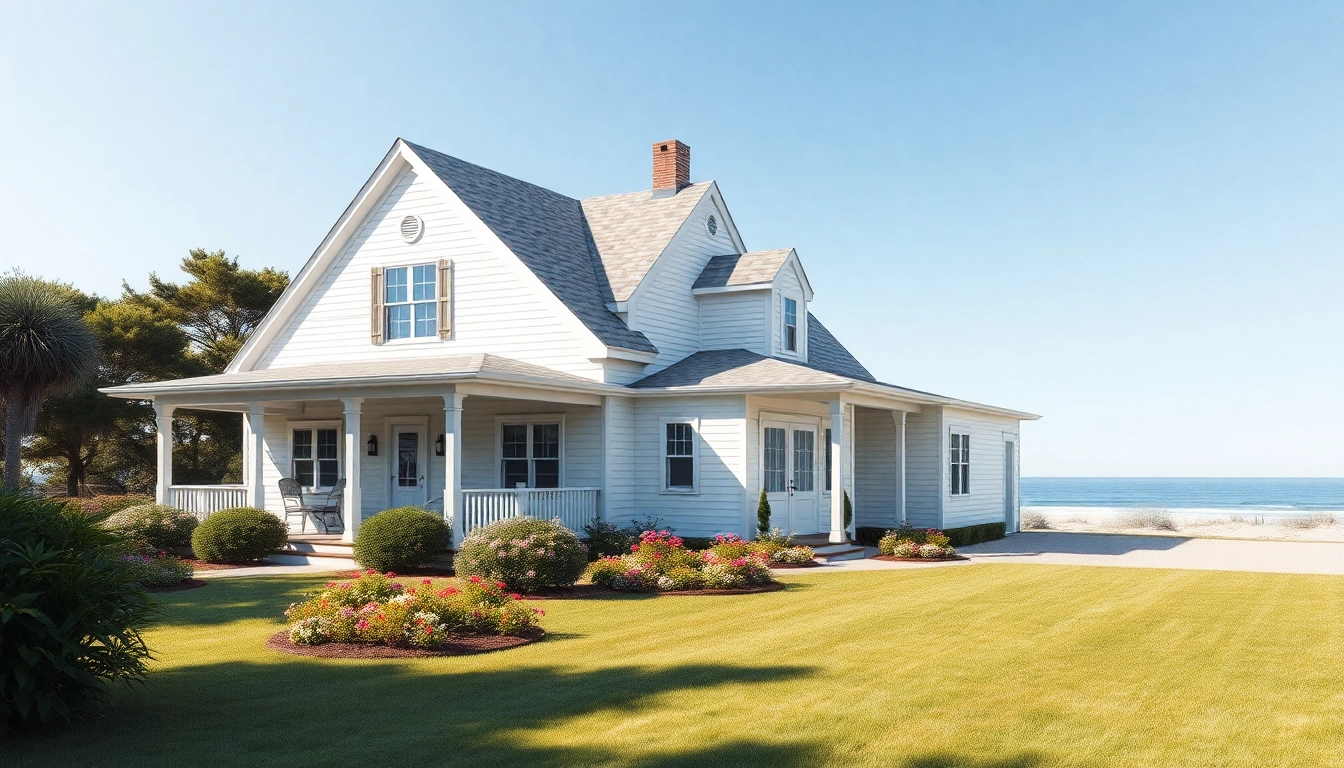
Originating from the early colonial period, Cape Cod homes are traditionally characterized by their simple, symmetrical designs and steep pitched gable roofs. Typically one or one-and-a-half stories, these homes often feature dormer windows, shingle siding, and wood construction. Their design reflects a practical approach to the harsh New England climate, providing durability and warmth.
Key Architectural Features
Among the most recognizable elements of Cape Cod homes are:
- Steep Rooflines: The high, sloped roof is designed for snow runoff in winter and is a defining feature of the style.
- Symmetrical Facade: The balance in the design creates a visually appealing and classical look.
- Dormer Windows: These add natural light to the upper floor and contribute to the aesthetic appeal.
- Simple Materials: Traditional Cape Cod homes typically use wood siding and shingles, often painted in soft, muted colors that reflect the coastal environment.
Historical Context of Cape Cod Homes
Historical records indicate that the Cape Cod style emerged in the 17th century, engineered to meet the challenges posed by the region’s weather conditions. These homes were built by early settlers using local materials and a practical design approach. The style quickly became popular due to its functionality and ease of construction, and over time, it evolved into various modern interpretations while retaining its characteristic charm.
Benefits of Expanding Cape Cod Homes
Expanding a Cape Cod home, particularly through the addition of an attached garage, offers multiple advantages to homeowners. Not only can it enhance the livability of the space, but it also adds considerable value to the property.
Increased Living Space
One of the primary benefits of expanding your Cape Cod home is the increased living space it provides. Whether creating a multifunctional garage that doubles as a workspace or incorporating additional rooms above, expansions can significantly enhance comfort and utility. An attached garage can also serve as a buffer between the main living area and the elements, particularly during inclement weather.
Enhanced Property Value
Real estate experts consistently highlight that a well-planned home expansion can lead to a substantial increase in property value. An attached garage not only improves the functionality of the home but also enhances curb appeal. Potential buyers often seek homes that offer modern features, and a garage is a highly desirable option that can positively affect resale value.
Functional Garage Integration
Integrating a garage into your Cape Cod home can improve daily convenience. Homeowners can enjoy the ease of direct access to their vehicles, especially during the unpredictable New England winters. Additionally, an attached garage can be designed to complement the existing home architecture, maintaining the overall aesthetic appeal while providing modern functionality.
Design Considerations for Attached Garages
When planning for an attached garage, several design considerations come into play, ensuring that the new structure harmonizes with the existing Cape Cod home while meeting your practical needs.
Architectural Harmony
Ensuring that the garage design complements your Cape Cod home’s architecture is crucial. This can be achieved through matching rooflines, materials, and color palettes. Integrating design elements such as dormer windows and shingles will create a cohesive look that respects the traditional style while embracing modern functionality.
Materials and Aesthetics
Choosing the right materials is vital for both durability and visual appeal. Traditional Cape Cod homes often use wood siding and shingles; thus, incorporating similar materials into the garage design can help maintain the authentic aesthetic. Consider natural finishes that blend well with the surrounding environment, enhancing the beachy, coastal vibe while providing longevity.
Maximizing Accessibility
Functional design that promotes ease of access is paramount. The garage should allow for smooth transitions between indoor and outdoor living spaces. Consider thoughtful placement of entrances, utilizing wide doorways that can accommodate various vehicles and bicycles, thus enhancing the lifestyle of the homeowners.
Best Practices for Cape Cod Home Expansion
Undertaking a home expansion project can be complex; however, adhering to best practices can streamline the process. Below are essential steps to ensure your Cape Cod home expansion is successful.
Planning and Permitting Procedures
Before embarking on your expansion journey, familiarize yourself with local zoning regulations and building codes. Securing the appropriate permits is crucial, as unauthorized work can lead to complications down the line. A good strategy involves consulting with local authorities and possibly a design professional to navigate these requirements effectively.
Collaboration with Architects and Builders
Partnering with experienced architects and builders can make or break your project’s success. Look for professionals who specialize in Cape Cod design to ensure that the expansion fits harmoniously with the existing structure. Their expertise can also help you explore innovative designs and practical solutions that you may not have considered.
Budgeting for the Project
Establishing a realistic budget is essential when planning any home expansion. Consider all aspects of the project, including materials, labor, and permitting costs. It’s advisable to have contingency funds set aside for any unforeseen expenses that may arise during the process. Working closely with your builder can provide insight into how to best allocate your resources.
FAQs about Cape Cod Homes
What are the typical features of Cape Cod homes?
Cape Cod homes usually have steep roofs, symmetrical facades, and dormer windows, embodying a classic coastal style.
Why choose an attached garage for a Cape Cod home?
An attached garage enhances convenience while complementing the home’s design, blending functionality with aesthetic appeal.
How can I increase the value of my Cape Cod home?
Expanding with a garage or conducting thoughtful renovations significantly boosts your home’s market value and livability.
Are there specific materials favored for Cape Cod homes?
Traditional materials include wood siding, shingles, and stone designed for coastal aesthetics and durability in harsh weather.
Can I add a second story to my Cape Cod home?
Yes, adding a second story is feasible and can enhance space while maintaining the traditional aesthetic of Cape Cod homes.