Understanding Sliding Shower Doors
What are Sliding Shower Doors?
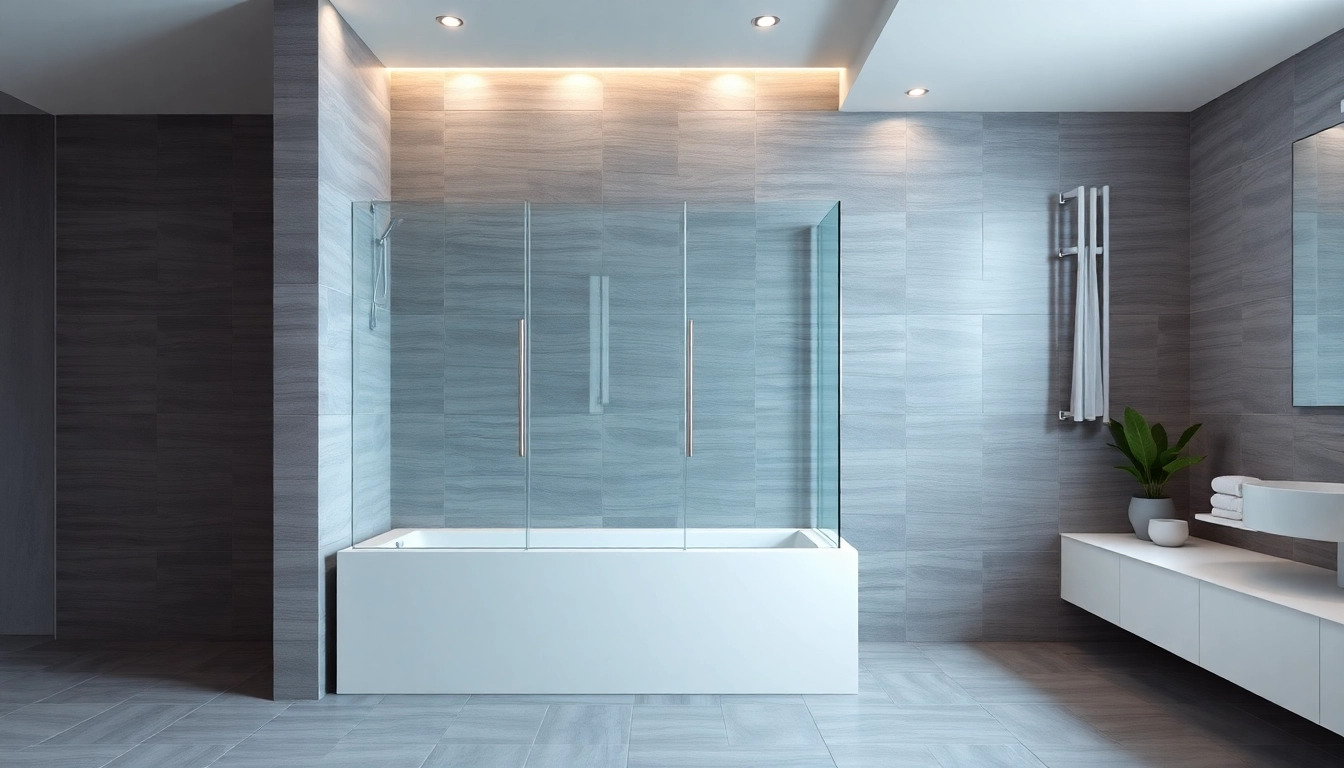
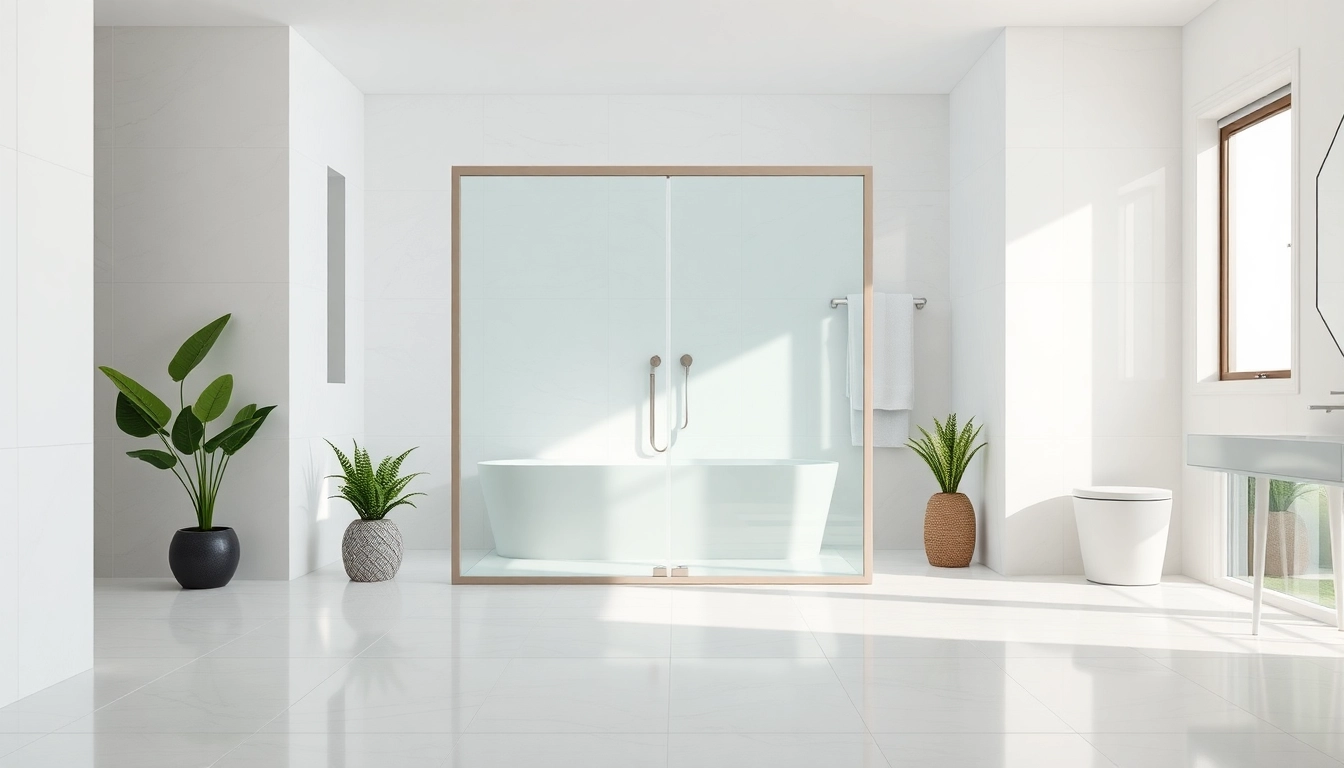
Sliding shower doors are a modern solution for creating a functional and stylish bathing space. Unlike traditional hinged doors, these doors operate by sliding along a track, which can be particularly beneficial in smaller bathrooms where space is at a premium. Typically made from materials such as glass or acrylic, sliding shower doors provide a seamless entry into the shower while maintaining an elegant aesthetic. Their designs vary, allowing them to complement a range of interior styles from contemporary to classic.
Benefits of Sliding Shower Doors
One of the primary advantages of sliding shower doors is their space-saving design. They don’t swing open like conventional doors, allowing for more flexibility in arranging bathroom fixtures and furniture. Additionally, sliding shower doors enhance accessibility, making it easier for people of all ages to enter and exit the shower without obstruction.
Moreover, their sleek design can make a bathroom appear more spacious and organized. They also come in various finishes that can add a touch of elegance and modernity. The ease of cleaning and maintenance further adds to their appeal, as most contemporary materials resist staining and are designed to withstand moisture.
Types of Sliding Shower Doors
Sliding shower doors can be categorized into a few main types, each designed to meet different aesthetic and functional needs:
- Frameless Sliding Shower Doors: These doors offer a minimalist look with no metal framing, showcasing the beauty of the glass. They are ideal for modern and luxurious bathrooms.
- Framed Sliding Shower Doors: Reinforced with metal framing, these doors provide added durability and can be more cost-effective than frameless versions.
- Bi-fold Sliding Shower Doors: When space is constrained, bi-fold doors can be a great option as they fold inwards, minimizing the area required to swing open.
- Curved Sliding Shower Doors: These doors are often used for corner showers, creating a softer silhouette while still providing the benefits of sliding functionality.
Choosing the Right Sliding Shower Doors
Factors to Consider
When selecting sliding shower doors, several factors must be considered to ensure they meet your needs. First, evaluate the size of your shower enclosure; measure the height and width to find a suitable match. The style you choose should also resonate with your bathroom’s décor—whether modern, traditional, or transitional.
Another important factor is the type of material. Glass options include tempered glass, which is strong and safe, and acrylic, which is lightweight and easy to maintain.
Lastly, consider the ease of use and installation requirements. Some models come with pre-installed hardware, while others may require more effort during setup.
Design Styles That Complement Sliding Shower Doors
Sliding shower doors can enhance various bathroom aesthetics. For contemporary bathrooms, frameless glass doors create a sleek, open feel. Incorporating chrome or brushed nickel hardware can accentuate modern fixtures and furnishings.
For more traditional or rustic designs, framed sliding doors with antique finishes can complement wooden cabinetry and older tile work, all while providing a vintage touch. Ultimately, the chosen style should create a cohesive look that ties together all elements of the bathroom.
Material Options for Durability
The durability of sliding shower doors largely depends on the materials used. Tempered glass is a popular choice due to its strength and safety; it’s four to five times stronger than standard glass and less likely to shatter. Acrylic and polycarbonate are durable alternatives, offering significant impact resistance while being lightweight. Both materials come in a variety of finishes, including clear, frosted, or tinted, to provide privacy while still allowing light to filter through.
Additionally, the type of tracks and seals used will impact longevity. Opting for corrosion-resistant metal components can significantly extend the life of your sliding shower doors.
Installation and Maintenance
DIY Installation Guide for Sliding Shower Doors
Installing sliding shower doors can be a rewarding DIY project if done correctly. Here’s a step-by-step guide:
- Gather Your Tools: Tools you’ll need include a level, screwdriver, drill, measuring tape, and a silicone caulk.
- Measure Accurately: Start by measuring the height and width of your shower opening, ensuring you have enough space for the doors to slide easily.
- Assemble the Frame (if applicable): Follow the manufacturer’s instructions to put together any frame that comes with your sliding doors.
- Install Track System: Mark and drill the track into the wall, ensuring it is level. Use a sealant to prevent water leaks.
- Attach Doors: Hang the doors on the track according to the instructions, checking that they slide smoothly.
- Seal Around the Edges: Apply silicone sealant around the edges to prevent water leakage.
- Test the Door: Finally, check the operation of the doors, making necessary adjustments.
Professional Installation vs. DIY
Opting for professional installation can save time and frustration, especially if you’re not experienced with home improvement projects. Professionals are trained to handle potential complications and may offer warranties on their work. DIY installation is a feasible option if you possess the necessary skills and tools, and it can result in cost savings on labor. The decision largely hinges on your confidence and comfort level with such projects.
Tips for Maintaining Sliding Shower Doors
Proper maintenance of your sliding shower doors will prolong their beauty and functionality. Here are some helpful tips:
- Regular Cleaning: Use a glass cleaner and a soft cloth or squeegee daily to prevent soap scum and mineral buildup.
- Inspect Tracks: Routinely check the tracks for debris or blockage, which can impede the doors’ movement.
- Sealant Checks: Monitor the condition of seals and caulk; reapply as necessary to prevent leaks.
- Lubrication: Occasionally, add a drop of lubricant to the rollers to ensure smooth operation.
- Heat and Humidity Management: Utilize a bathroom fan during showers to minimize moisture buildup.
Cost and Budgeting
Average Costs of Sliding Shower Doors
The cost of sliding shower doors can vary significantly based on materials, design, and brand. On average, you might expect to spend between £300 to £800 for the doors themselves. Frameless options tend to be on the higher end of this scale due to their quality. Additional costs for installation can add another £150 to £400 depending on labor charges in your area.
Ultimately, budgeting for shower doors involves assessing both product costs and installation expenses while considering any additional accessories, such as hardware or custom options.
Budgeting for Installation
When planning your budget, consider all components critical to the project. This includes: purchase price, installation fees, and any tools or materials necessary for DIY installation. It’s wise to factor in a contingency fund for unexpected issues that might arise during the installation process.
Check multiple suppliers to compare prices, and look for seasonal sales or promotions that may enable you to purchase quality doors at a lower cost. Many retailers offer financing options, making it easier to manage the expense over time.
Cost-Saving Tips for Choosing Sliding Shower Doors
Choosing sliding shower doors on a budget doesn’t mean sacrificing quality. Here are some tips:
- Shop Sales: Keep an eye out for seasonal sales, clearance events, or discounts from reputable suppliers.
- Choose Semi-Framed Doors: These can be less expensive than frameless options but still offer a modern look.
- Consider DIY: If you’re handy, installing the doors yourself can dramatically cut costs.
- Material Selection: Acrylic doors can be a more budget-friendly alternative to higher-end glass options.
- Maintenance is Key: Regular upkeep can prevent costly repairs or replacements in the long run.
FAQs about Sliding Shower Doors
What are the advantages of sliding shower doors?
Sliding shower doors save space, are stylish, and allow easy access to the shower area without swinging doors taking up room.
Are sliding shower doors difficult to clean?
Not at all! Use glass cleaner and a squeegee to easily maintain the clarity and shine of your sliding shower doors.
Can I install sliding shower doors myself?
Yes, with the right tools and instructions, DIY installation of sliding shower doors is feasible, but professional help is also an option.
What materials are best for sliding shower doors?
Common materials include tempered glass, acrylic, and vinyl, each offering different benefits in terms of durability and aesthetics.
How do I troubleshoot common issues with sliding shower doors?
Check for misalignment, squeaks, or buildup of soap scum. Regular cleaning and maintaining tracks can prevent most issues.