Understanding Colonial Home Renovation
Definition and Historical Context
Colonial home renovation refers to the process of restoring and modernizing homes that embody the distinct architectural styles that emerged during the colonial period in America. These homes are characterized by their symmetrical facades, gabled roofs, and classical proportions. Renovating such homes often involves meticulous planning to preserve their historical integrity while integrating modern amenities. Understanding the roots of colonial architecture, which draws influence from European designs, particularly from England, France, and Spain, is essential for any renovation project.
Key Features of Colonial Architecture
Colonial architecture showcases a variety of features that are quintessential to its design. These include:
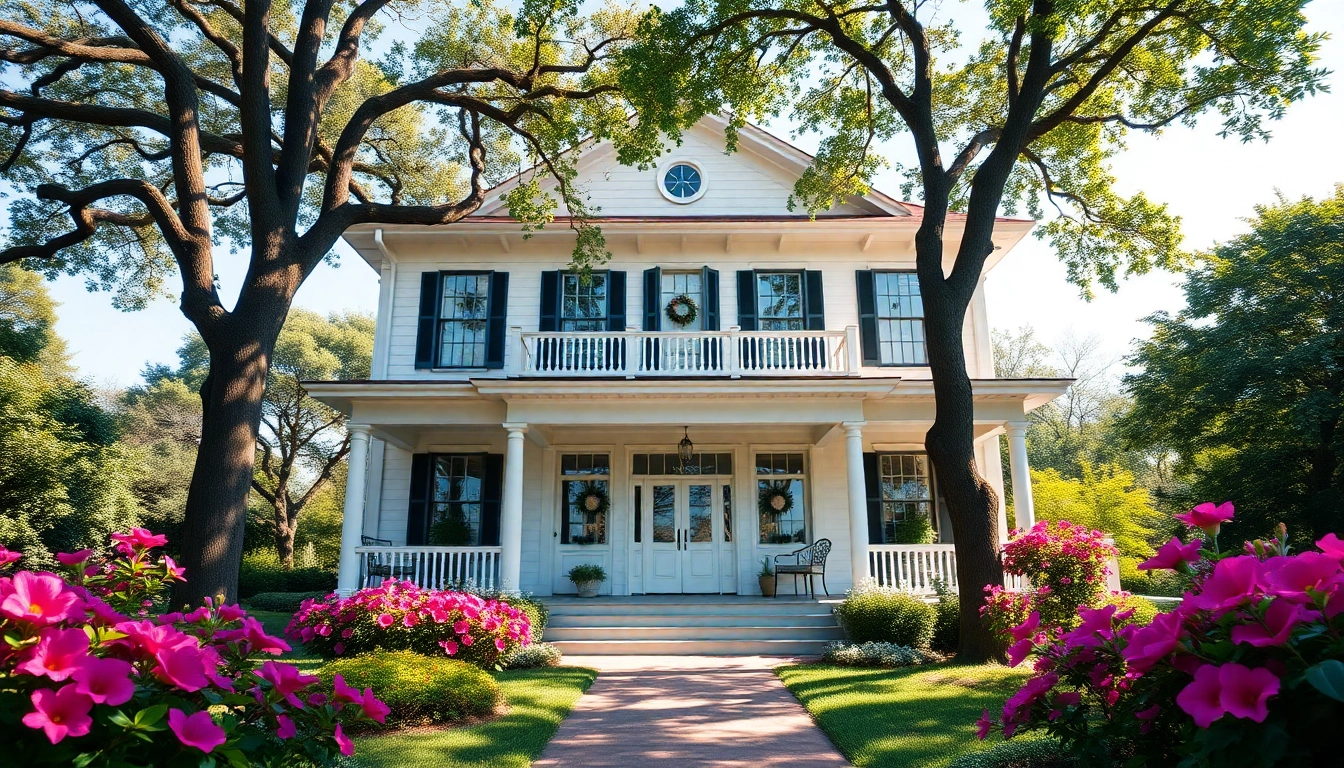
- Symmetrical Layout: Colonial homes are typically designed with a balanced, symmetrical arrangement of windows and doors.
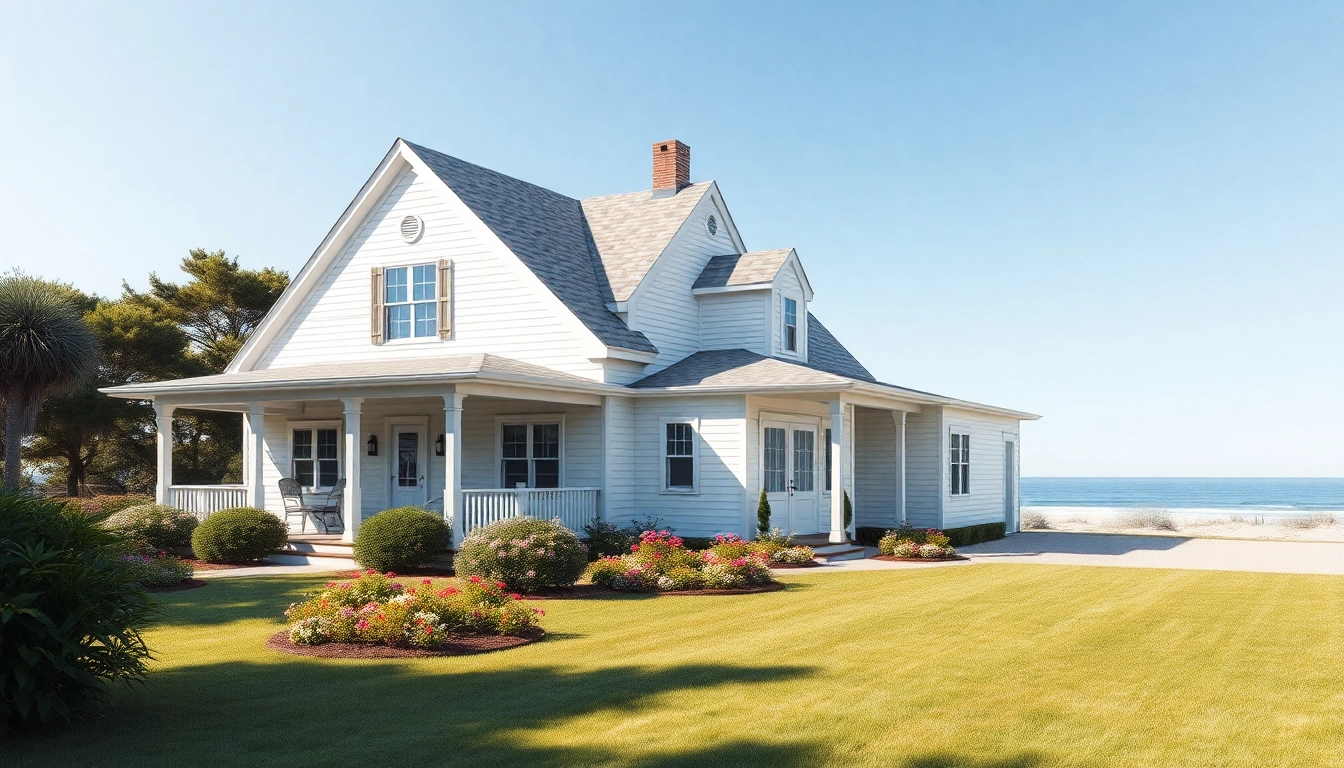
- Classic Rooflines: Gabled or hipped roofs are common, often adorned with chimneys that reflect historical building practices.
- Columns and Pilasters: Many colonial homes feature decorative columns and pilasters, giving them a grand yet inviting appearance.
- Multi-Paned Windows: Double-hung windows with multiple panes are a characteristic element that adds to their charm.
When planning a renovation, it’s crucial to recognize these key characteristics to ensure that the essence of colonial design is maintained.
Importance of Preservation
Preserving colonial homes is not just an aesthetic endeavor; it is also a cultural responsibility. These homes are windows into history, reflecting the lifestyles, values, and architectural practices of their times. Renovating these homes thoughtfully allows homeowners to contribute to their community’s historical narrative while honoring the craftsmanship of the past. In an era where rapid modernity often erases historical context, engaging in a colonial home renovation project becomes a meaningful way to maintain a physical connection to the past.
Planning Your Colonial Home Renovation
Assessing Structural Integrity
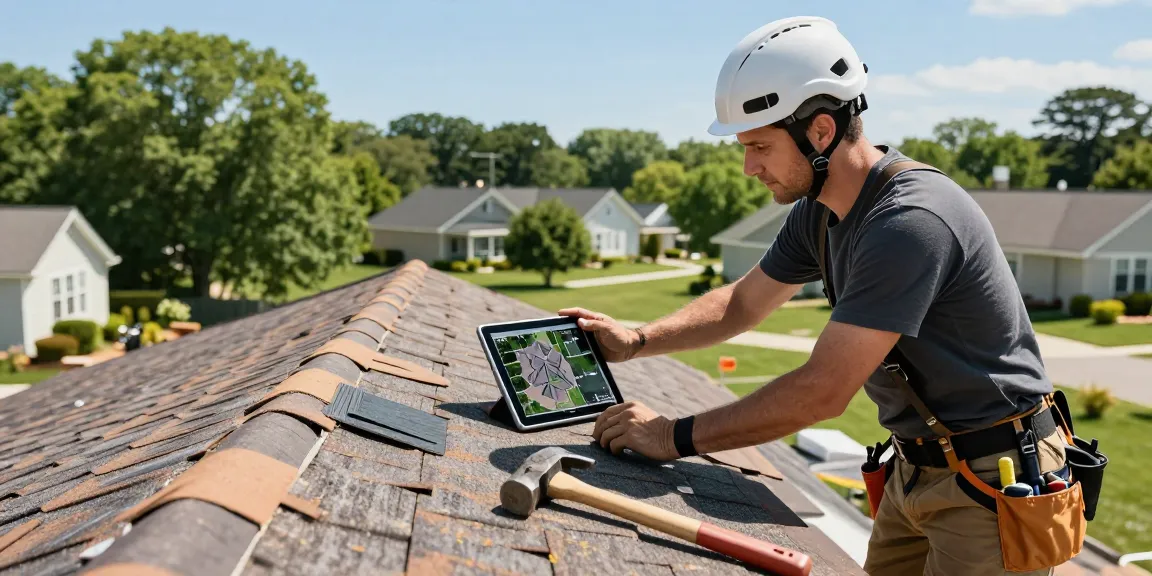
The first step in any renovation project is to assess the structural integrity of the home. This involves inspecting the foundation, walls, roof, and critical support structures. Homeowners should consider hiring a professional structural engineer to uncover potential issues such as water damage, pest infestations, or outdated materials. Understanding a home’s condition is vital to inform renovation decisions and avoid costly surprises down the line.
Setting a Realistic Budget
Establishing a budget is essential in ensuring that your renovation project stays on track. When budgeting for a colonial home renovation, consider not only the construction costs but also the expenses related to permits, professional services, and unexpected repairs. It’s recommended to allocate an additional 10-20% of the total budget for unforeseen circumstances. This financial buffer allows for flexibility and peace of mind throughout the renovation process.
Choosing the Right Materials
Choosing appropriate materials is crucial in maintaining the authenticity and durability of a colonial home. Materials should reflect the period style while meeting modern performance standards. For instance, consider using:
- Natural Wood: Opt for solid wood for trim work and flooring to replicate the original craftsmanship.
- Brick and Stone: These materials are typical of colonial architecture and contribute to the historical authenticity.
- Authentic Paints: Choose colors that were prevalent during the period, often muted earthy tones.
Researching period-appropriate materials helps ensure that your renovations align with the overall aesthetic of the home while respecting its history.
Interior Design Ideas for Colonial Homes
Maintaining Traditional Aesthetics
To maintain the traditional aesthetics of a colonial home, focus on period-appropriate furnishings, fabrics, and decorative elements. Consider incorporating large, comfortable furniture pieces that reflect the scale of colonial rooms. Opt for natural fabrics and textiles that showcase patterns like plaids and florals, which were common in colonial decor. Moreover, don’t forget to include authentic decorative elements such as colonial-style lighting fixtures and period-specific artwork.
Modern Upgrades to Consider
While preserving traditional aesthetics is important, modern upgrades can enhance comfort and functionality without compromising the historical integrity. Consider the following:
- Energy-Efficient Windows: Installing energy-efficient windows that mimic the appearance of traditional styles can improve insulation while maintaining beauty.
- Smart Home Technology: Integrating smart home systems like thermostats and security systems can add convenience without altering the home’s appearance.
- Updated Kitchens and Bathrooms: Modernizing these essential spaces with contemporary appliances while respecting their original layout is key to a successful renovation.
Color Schemes and Furnishing Tips
Color schemes in colonial homes typically use muted earth tones, creams, and soft pastels. Selecting a color palette that reflects this can unify your design. When choosing furnishings, consider high-quality pieces made from natural materials, which speak to the craftsmanship of the colonial period. Mix and match traditional and modern elements to create a cohesive yet dynamic space that feels both authentic and livable.
Exterior Enhancements in Colonial Renovation
Landscaping Considerations
Landscaping is vital in enhancing the curb appeal of colonial homes. The design of your outdoor space should harmonize with the architectural style of the home. Incorporating native plants, period-appropriate ornamental trees, and structured garden beds can elevate the overall aesthetic. Walkways made from traditional materials like brick or stone can also enhance the historical look of the property.
Enhancing Curb Appeal
The front facade is the first impression of any home. Renovating the exterior should involve careful restoration of historical details, such as shutters, original doors, and railings. Adding period-style light fixtures and a well-kept porch can further enhance the curb appeal. Creating an inviting entryway with decorative elements—such as seasonal flowers or wreaths—also helps make a statement.
Sustainable Practices in Renovation
Incorporating sustainable practices during a renovation not only benefits the environment but also provides long-term savings. Choosing energy-efficient appliances, installing solar panels where appropriate, and selecting sustainably sourced materials can make your colonial home more eco-friendly. Additionally, maintaining the original structure through proper restoration techniques often results in a reduced carbon footprint.
Common Challenges and Solutions
Managing Unexpected Costs
Unexpected costs are a common challenge in renovation projects. To mitigate surprises, always conduct thorough inspections prior to starting work. Allocating a contingency fund of about 10-20% of your budget can alleviate stress when unforeseen issues arise. Clear communication with contractors and regular project assessments also help stay on top of costs.
Dealing with Local Regulations
Regulations regarding renovations vary by location, especially for historical homes. It’s essential to research local guidelines on renovation practices, and consider consulting with professionals familiar with local codes. Engaging with local historians or preservation societies can also provide guidance and connections for proper documentation needed for any necessary permits.
Working with Professionals vs. DIY
Deciding whether to undertake renovations yourself or hire professionals depends on the scope of the project and your expertise. While DIY can save on labor costs, it’s crucial to recognize your limitations—especially with structural changes or complicated preservation tasks. If unsure, hiring experienced professionals ensures quality work and adherence to historical accuracy, ultimately adding value to your renovation.
Frequently Asked Questions
How can I determine if my colonial home is worth renovating?
Evaluate your home’s structural integrity, historical significance, and location. Consulting with a real estate professional can provide insights on potential appreciation in value post-renovation.
What are the most common materials used in colonial home renovations?
Common materials include wood for trim and flooring, brick or stone for exteriors, and period-appropriate paints that reflect the home’s historical character.
Should I hire professionals or attempt a DIY renovation?
It depends on your skill level and the job’s complexity. For significant structural changes or skilled craftsmanship, hiring professionals is usually advisable.
How can I maintain a colonial home’s historical integrity during renovation?
Research original design features, use period-appropriate materials, and consult with preservation specialists to maintain historical accuracy while renovating.
What modern amenities can I integrate into a colonial home?
Consider energy-efficient windows, smart home systems, and modernized kitchens or bathrooms that blend contemporary function with classic style.